If you are thinking about getting your business certified for ESG, the first question on your mind is probably: how much does it cost? Understanding esg certification cost is not as simple as looking at a single price tag. There are multiple layers, and each one depends on your company’s size, industry, location, and goals.
Think of esg certification cost like buying a house. The listing price is just the starting point. There are inspection fees, legal fees, insurance, repairs, and ongoing maintenance. ESG certification works the same way. The certification itself has a price, but the real esg certification cost includes everything you need to do before, during, and after the certification process.
This guide breaks down the six main factors that determine esg certification cost so you can plan your budget realistically and avoid expensive surprises. Whether you are exploring a corporate esg certification for your company or considering individual credentials like the CFA ESG certificate for your career, this article explains what you will actually pay and why.
An environmental social governance certification is an investment, not just an expense. But like any investment, you need to understand the full picture before committing. Let us walk through each cost factor in simple, clear language.
Factor 1: The Certification Body Fee
The first and most obvious part of esg certification cost is the fee charged by the organization that issues the certification. Different certification bodies charge different amounts, and the price varies based on what type of certification you are pursuing.
For businesses, corporate esg certification fees typically range from a few thousand dollars to tens of thousands, depending on the certifying organization and the scope of the assessment. Well-known bodies that issue environmental social governance certification credentials include B Corp, ISO, EcoVadis, and various industry-specific certifiers. Each has its own esg certification pricing structure based on company revenue, employee count, and complexity of operations.
Sustainability certification fees at the entry level might start around $2,000 to $5,000 for small businesses. Mid-sized companies typically pay $5,000 to $25,000. Large enterprises with complex global operations can face sustainability certification fees of $25,000 to $100,000 or more for comprehensive corporate esg certification programs.
For individuals pursuing personal ESG credentials, the costs are much lower but still worth understanding. The CFA ESG certificate, offered by the CFA Institute, is one of the most recognized individual credentials. The exam registration fee is approximately $800 to $1,200 depending on your location and timing. This is a popular entry point for professionals who want to demonstrate ESG expertise.
Understanding the cfa esg certificate pass rate helps you estimate whether you might need to pay this fee more than once. The cfa esg pass rate has historically hovered around 70 to 75 percent, meaning roughly one in four candidates does not pass on their first attempt. The cfa esg pass score is not publicly disclosed as a fixed number. The CFA Institute uses a methodology that adjusts the passing threshold based on exam difficulty, so there is no single cfa esg pass score that applies to every sitting.
If you are budgeting for the CFA ESG credential, factor in the possibility of a second attempt. With a cfa esg pass rate of approximately 70 to 75 percent, most people pass the first time, but it is smart to plan for study materials and a potential retake when calculating your total esg certification cost.
The cfa esg certificate pass rate is favorable compared to other CFA exams, which makes it an accessible professional certification. However, the cfa esg pass score threshold means you still need to prepare seriously. Budget roughly $1,000 to $2,500 total for exam fees, study materials, and preparation courses.
Factor 2: Pre-Certification Gap Analysis and Consulting
The second factor in esg certification cost is the work required before you even apply for certification. Most companies are not certification-ready on day one. They need a gap analysis to identify where their current ESG practices fall short of the certification standards.
This is where esg certification pricing can climb quickly. Hiring a consultant to conduct a gap analysis typically costs $3,000 to $15,000 for small and mid-sized businesses, and $15,000 to $50,000 or more for large enterprises. The analysis reviews your data collection processes, reporting systems, policies, and governance structures against the requirements of your target environmental social governance certification.
Some companies handle this internally, which reduces direct costs but requires staff time and expertise. Others hire specialized ESG consulting firms that charge premium rates because the field is growing faster than the supply of qualified consultants.
The esg compliance cost at this stage is really an investment in readiness. Companies that skip the gap analysis and go straight to certification almost always fail or receive conditional results that require additional spending to fix. Paying for proper preparation upfront is almost always cheaper than paying to fix problems after a failed certification attempt.
For companies pursuing corporate esg certification for the first time, this pre-certification phase often represents 30 to 40 percent of the total esg certification cost. It is the hidden expense that most businesses underestimate.
Factor 3: Data Infrastructure and Systems
The third factor that drives esg certification cost is the technology and systems needed to collect, manage, and report ESG data.
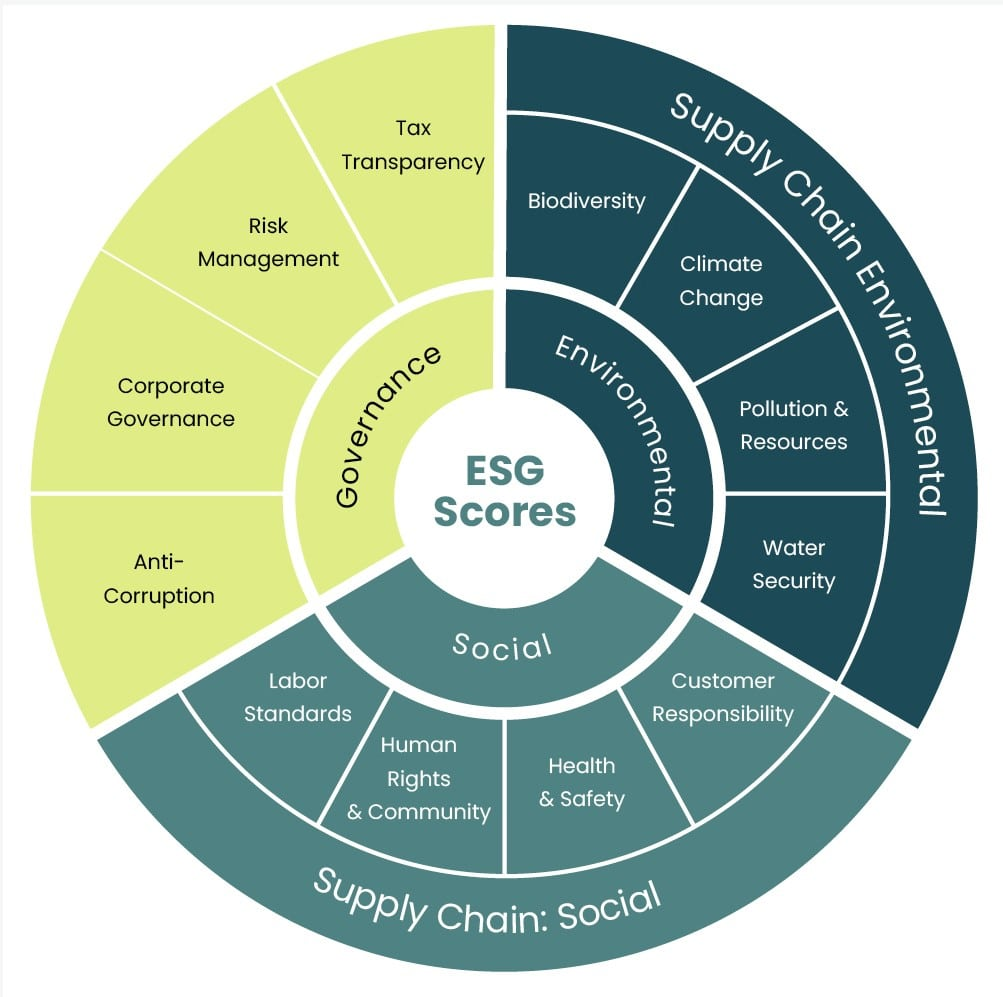
Environmental social governance certification requires specific, auditable data. You need to track carbon emissions, energy consumption, water usage, waste management, employee diversity, health and safety incidents, governance policies, and much more. Most companies do not have systems that capture all of this information in the structured format that certification bodies require.
Building or buying ESG data management systems adds to your esg certification pricing in a significant way. Software platforms designed for ESG data collection and reporting typically cost $5,000 to $50,000 per year depending on company size and complexity. Some enterprise-grade platforms cost $100,000 or more annually.
If your company already uses robust enterprise resource planning systems, the esg compliance cost for data infrastructure may be lower because you can integrate ESG data collection into existing workflows. If you are starting from scratch with spreadsheets and manual processes, expect this to be one of the largest line items in your total esg certification cost.
Sustainability certification fees never include the cost of building the data systems needed to earn the certification. This is always an additional investment, and it is recurring because the systems need maintenance, updates, and staff to operate them.
Factor 4: Third-Party Audit and Assurance
The fourth factor in esg certification cost is the audit itself. Most credible environmental social governance certification programs require an independent third-party audit to verify that your reported data and practices are accurate.
The esg audit cost depends on the scope and depth of the assessment. For limited assurance, which is the current standard under regulations like CSRD, esg audit cost typically ranges from $10,000 to $50,000 for mid-sized companies. Large companies with complex operations and multiple locations can face esg audit cost of $50,000 to $200,000 or more.
If your company needs reasonable assurance, which is a more rigorous level of verification, the esg audit cost increases further. Reasonable assurance requires auditors to test underlying data and controls more extensively, which takes more time and therefore costs more money.
The esg audit cost is often an annual recurring expense, not a one-time payment. Certification typically requires periodic re-verification, meaning you need to budget for ongoing esg audit cost as part of your long-term esg certification pricing model.
For smaller businesses, the esg audit cost can feel disproportionately large relative to company size. Some certification bodies offer tiered esg certification pricing that reduces audit requirements for smaller organizations, which helps manage this expense. When comparing sustainability certification fees across different certifiers, always ask what audit level is required and whether the audit fee is included or separate.
Factor 5: Internal Staff Time and Training
The fifth factor in esg certification cost is one that many companies forget to calculate: the time and training required from your own team.
Preparing for corporate esg certification is not something that happens in the background. It requires dedicated staff time from sustainability managers, finance teams, legal departments, operations leaders, and executive sponsors. This internal labor cost is real, even though it does not show up as a separate invoice.
Depending on company size, internal staff time for an esg certification process can represent hundreds or thousands of hours. If you value those hours at the average loaded cost per employee, the internal esg compliance cost can easily match or exceed the external fees.
Training is another component. Staff need to understand what the certification requires, how to collect and report data correctly, and how to maintain compliance after certification is achieved. Investing in sustainability certification fees for employee training programs, workshops, or professional sustainability certifications helps ensure the process runs smoothly.
This is where individual credentials like the CFA ESG certificate become relevant. Companies that invest in esg reporting credentials for key staff members reduce the internal esg compliance cost over time because trained employees handle certification requirements more efficiently. With a cfa esg pass rate of around 70 to 75 percent, most professionals who prepare adequately will earn the credential on their first attempt, making it a reliable investment.
The cfa esg certificate pass rate being relatively high compared to other professional exams means the return on training investment is strong. And because the cfa esg pass score is not a fixed threshold but adjusts per sitting, candidates who study thoroughly have a good chance regardless of the specific exam session.
Factor 6: Ongoing Maintenance and Recertification
The sixth and final factor in esg certification cost is what happens after you receive the certification. ESG certifications are not permanent. They require ongoing compliance, periodic reporting updates, and recertification at defined intervals.
Annual maintenance costs for corporate esg certification typically include updated data collection and reporting, annual or biennial re-audits, platform and software subscription renewals, staff training refreshers, and regulatory change management as esg disclosure standards evolve.
The ongoing esg compliance cost usually amounts to 40 to 60 percent of the initial certification cost each year. So if your first-year total esg certification cost was $50,000, expect to spend $20,000 to $30,000 annually to maintain it.
This recurring expense is why esg certification pricing should always be evaluated as a multi-year investment rather than a one-time project. Companies that budget only for the first year and then scramble to find funds for maintenance often lose their certification, which damages credibility more than never being certified in the first place.
Environmental social governance certification is a continuous commitment. The sustainability certification fees you pay in year one are just the beginning of a long-term relationship with your certifier, your auditor, and your internal ESG systems.
Quick Reference: Estimated Cost Ranges
Here is a simplified overview of esg certification cost ranges by company size:
- Small business (under 100 employees): Total first-year esg certification cost of $10,000 to $40,000, including gap analysis, certification fees, basic software, and limited audit.
- Mid-sized company (100 to 1,000 employees): Total first-year esg certification cost of $40,000 to $150,000, including consulting, systems, comprehensive audit, and staff training.
- Large enterprise (1,000+ employees): Total first-year esg certification cost of $150,000 to $500,000+, including enterprise platforms, multi-location audits, legal review, and dedicated internal teams.
- Individual CFA ESG certification: $1,000 to $2,500 total including exam fee, study materials, and preparation. The cfa esg pass rate of approximately 70 to 75 percent means most candidates need only one attempt.
Conclusion
The six factors that determine esg certification cost, spanning certification body fees, gap analysis consulting, data infrastructure, third-party audits, internal staff time, and ongoing maintenance, paint a complete picture of what businesses should actually budget for when pursuing environmental social governance certification.
Understanding the full esg certification cost upfront prevents budget overruns, failed certification attempts, and wasted resources. Whether you are evaluating corporate esg certification for your organization, comparing sustainability certification fees across providers, or considering the CFA ESG certificate as an individual professional investment, knowing the real numbers allows you to make informed decisions.
The esg certification cost is real, but so are the returns. Companies with verified ESG credentials access better investment, stronger supply chain partnerships, deeper customer trust, and smoother regulatory compliance. When you weigh the total esg certification cost against these benefits, the investment case is clear for businesses of every size operating in 2026 and beyond.
For more such information do visit us @CleanIndex