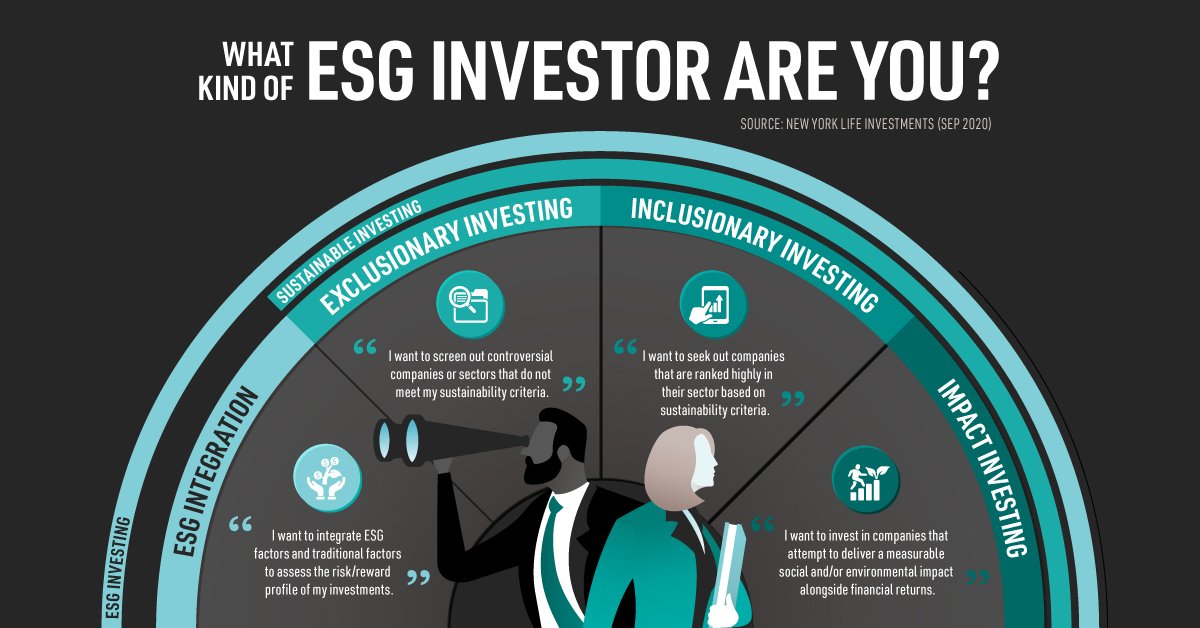
ESG investing strategies combine Environmental, Social, and Governance factors with traditional financial analysis to make smarter investment decisions. These strategies help investors identify companies that are well-managed, resilient, and positioned for sustainable growth.
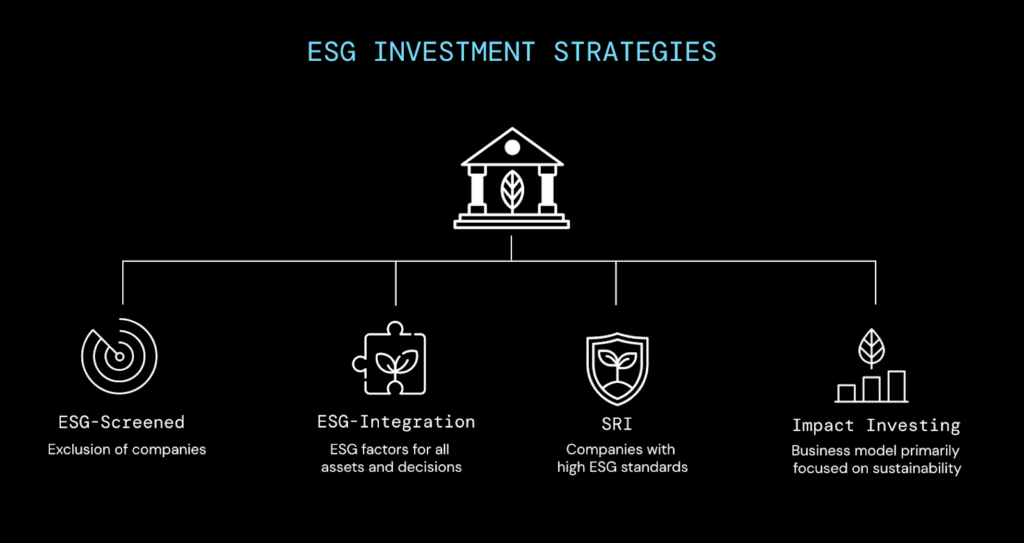
This approach has evolved from a niche concept to a major force in global finance. Understanding ESG investing strategies is essential for building portfolios that deliver both financial returns and positive impact.
Understanding the ESG Framework
The ESG framework helps investors evaluate a company’s commitment to responsible business practices. It’s not about sacrificing returns for ethics. Rather, ESG investing strategies identify companies whose operational integrity and forward-thinking approaches position them for long-term success.
Think of it as checking a building’s foundation before investing. A strong foundation promises stability over time. Companies with solid ESG practices tend to weather challenges better than their peers.
The Three Pillars of ESG
Environmental Factors
Environmental considerations examine a company’s impact on the natural world. This includes carbon emissions, resource management, waste disposal, and pollution control.
Climate Change and Carbon Footprint
Climate strategy is the most critical environmental factor. Investors look for companies actively reducing greenhouse gas emissions, investing in low-carbon technologies, and setting ambitious climate targets. This signals preparedness for a carbon-constrained future.
Resource Management
How companies manage water, raw materials, and waste matters significantly. Those embracing circular economy principles—designing products for longevity, repair, and recycling—often show greater efficiency and innovation. This translates into lower costs and resilient supply chains.
Biodiversity Impact
Business operations affect ecosystems and biodiversity through land use and habitat protection. Companies with low ecological footprints and conservation initiatives face reduced legal risks and enjoy positive public perception.
Social Factors
Social factors examine relationships with employees, suppliers, customers, and communities. Strong social performance creates motivated workforces, reduces turnover, and builds brand loyalty.
Labor Practices
Fair wages, safe conditions, diversity initiatives, and employee development are key indicators. Companies prioritizing worker well-being experience higher productivity and stronger cultures—clear competitive advantages.
Supply Chain Responsibility
Ensuring human rights throughout the value chain prevents abuses and unsafe conditions. Robust due diligence reduces disruption risks from ethical scandals or legal challenges. This aspect is central to social responsibility investing.

Product Safety
Product quality, customer satisfaction, and responsible marketing build strong reputations and avoid costly litigation.
Community Engagement
Contributing to local communities through job creation and stakeholder engagement fosters goodwill and social license to operate.
Governance Factors
Governance relates to leadership, executive compensation, audits, internal controls, and shareholder rights. Strong governance ensures accountability, transparency, and ethical decision-making.
Board Structure
Board independence, diversity, and committee effectiveness provide robust oversight and strategic guidance.
Executive Compensation
Pay practices must align with long-term performance and shareholder interests. Excessive packages signal poor governance and short-term focus.
Shareholder Rights
Transparent reporting and clear communication build trust and encourage investment.
Business Ethics
Policies preventing corruption and bribery reduce legal and reputational risks.
9 ESG Investing Strategies for Long-Term Sustainable Returns
These ESG investing strategies help harness the potential for strong performance while contributing to a sustainable economy.
1. ESG Integration
ESG integration systematically includes ESG considerations in traditional financial analysis. This is the most common approach among ESG investing strategies.
Incorporating ESG Metrics
This strategy quantifies how ESG factors impact financial performance. Companies with lower resource usage often have lower operating costs. Analysts adjust forecasts to reflect these ESG-driven impacts.
Risk Mitigation
Identifying ESG risks—regulatory changes, supply chain disruptions—allows investors to avoid elevated risk profiles. This protects capital from unforeseen events.
Opportunity Identification
ESG integration uncovers companies better positioned for growth. For instance, renewable energy leaders may outperform less sustainable competitors.
2. Negative Screening
Negative screening excludes specific companies, sectors, or countries based on ESG criteria. This is one of the oldest ESG investing strategies.
Excluding Controversial Industries
Common exclusions include tobacco, firearms, gambling, and weapons. The goal is avoiding companies whose business models are ethically problematic.
Screening Controversies
Investors may exclude companies involved in environmental disasters, labor disputes, or governance scandals, regardless of their sector.
Portfolio Considerations
While aligning with values, this strategy can reduce diversification or miss strong financial performers.
3. Positive Screening (Best-in-Class)
Positive screening identifies companies with strong ESG performance relative to peers. This “best-in-class” approach rewards leaders and is popular among socially responsible investing funds.
Identifying Leaders
This strategy seeks top ESG performers in each sector. For example, selecting the automaker with the highest sustainability scores in production and supply chain management.
Driving Improvement
Investing in leaders incentivizes companies to improve ESG practices to attract capital. This creates more diversified portfolios than broad exclusion.
Benchmarking Performance
ESG leaders are compared against less sustainable peers, expecting superior management to deliver superior outcomes.
4. Thematic Investing
Thematic investing focuses on specific sustainability themes like clean energy, water scarcity, or sustainable agriculture. This approach is central to many ESG investing strategies.
Renewable Energy Solutions
This theme includes solar, wind, geothermal technologies, energy storage, and grid modernization.
Water Management
With increasing water stress, investments in purification technologies, efficient irrigation, and conservation services are attractive opportunities.
Sustainable Food Systems
Companies involved in organic farming, sustainable land management, food waste reduction, and plant-based proteins address food security and environmental concerns.
Thematic Funds
Many investment products offer diversified portfolios aligned with specific sustainability themes, making ESG sustainable investing accessible.

5. Impact Investing
Impact investing aims for measurable positive social or environmental impact alongside financial returns. This strategy goes beyond traditional ESG investing strategies.
Measuring Impact
Investors define impact objectives and establish tracking metrics. Goals might include improving affordable housing access or reducing carbon emissions by specific amounts.
Social Enterprises
This involves direct investment in social enterprises or impact-focused funds pooling capital for projects with clear social or environmental goals.
Blending Returns and Benefits
While financial returns matter, the primary driver is creating tangible positive change. Returns range from below-market to market-rate. This exemplifies the benefits of sustainable investing beyond pure profit.
6. Shareholder Engagement and Activism
This strategy uses shareholder rights to influence corporate ESG behavior. It’s about active participation in governance to drive change.
Proxy Voting
Investors vote on resolutions proposing ESG improvements or against board nominees not adequately addressing ESG concerns.
Direct Dialogue
Engaging company executives to discuss strategies, advocate for changes, and share investor expectations—individually or collaboratively.
Collaborative Initiatives
Many institutional investors join initiatives like Climate Action 100+ to collectively engage with major greenhouse gas emitters.
7. ESG Indexes and Benchmarks
Specialized indexes track companies with strong ESG profiles. These benchmarks are essential tools for implementing ESG investing strategies.
Performance Benchmarks
Indexes like MSCI ESG Leaders or FTSE4Good provide performance data for ESG-screened portfolios.
Index Funds and ETFs
Exchange-traded funds tracking ESG indexes allow individual investors to gain diversified exposure to sustainability-focused companies. These are often structured as socially responsible investing funds.
Tracking Trends
These indexes help investors understand performance characteristics and track the evolving sustainable finance landscape.
8. Biodiversity and Natural Capital Integration
This emerging strategy addresses financial risks and opportunities associated with natural ecosystems. It’s becoming more important in ESG investing strategies.
Assessing Dependencies
Companies are evaluated on natural resource reliance and biodiversity impact, including deforestation, water pollution, and habitat destruction.
Nature-Based Solutions
Investing in companies offering habitat restoration, sustainable land management, or natural resource conservation.
Stranded Natural Assets
Investors consider resources that may lose value due to environmental degradation or regulatory changes—similar to stranded fossil fuel assets.
9. Sustainable Real Assets
This strategy extends ESG considerations to real estate, infrastructure, and agriculture investments.
Green Buildings
Investing in properties designed for energy efficiency, water conservation, and reduced environmental impact. Sustainable infrastructure projects follow similar principles.
Sustainable Agriculture
Practices promoting soil health, reduced water usage, and minimal pesticide use, plus sustainably managed forests.
Climate-Resilient Assets
Ensuring real assets withstand climate change impacts is key for long-term value preservation.
The Benefits of Sustainable Investing
The spectrum of ESG investing strategies offers a robust framework for aligning financial goals with ethical considerations. Each approach contributes to a financial landscape increasingly conscious of environmental and social responsibilities.
From broad integration and exclusion to targeted impact investing and thematic allocation, these strategies demonstrate the benefits of sustainable investing. Companies with strong ESG practices often show:
- Better risk management
- Lower operating costs
- Higher innovation
- Stronger brand reputation
- More resilient operations
- Superior long-term returns
ESG sustainable approaches help investors build portfolios positioned for both financial success and positive impact. Social responsibility investing is no longer optional—it’s essential for long-term value creation.
Key ESG Strategy Comparison
| Strategy | Approach | Best For | Complexity |
| ESG Integration | Include ESG in analysis | Most portfolios | Moderate |
| Negative Screening | Exclude poor performers | Values-based investors | Low |
| Positive Screening | Select ESG leaders | Sector diversification | Moderate |
| Thematic Investing | Focus on sustainability themes | Targeted exposure | Moderate |
| Impact Investing | Measurable positive outcomes | Purpose-driven returns | High |
| Shareholder Engagement | Influence corporate behavior | Active ownership | High |
| ESG Indexes | Track ESG performance | Passive investors | Low |
| Biodiversity Focus | Natural capital considerations | Environmental risk | High |
| Sustainable Real Assets | ESG in physical assets | Infrastructure investors | Moderate |
Frequently Asked Questions
What are ESG investing strategies?
ESG investing strategies are approaches that incorporate Environmental, Social, and Governance factors into investment decisions. These strategies range from screening companies based on ESG criteria to actively engaging with management to drive positive change, all while pursuing long-term sustainable returns.
Why are ESG investing strategies important for long-term returns?
ESG investing strategies help identify well-managed companies that handle risks better, innovate more effectively, and maintain stronger stakeholder relationships. These factors often translate into more stable and potentially higher long-term returns compared to companies ignoring ESG considerations.
How do socially responsible investing funds work?
Socially responsible investing funds use various ESG investing strategies to select companies aligned with ethical values. They may exclude controversial industries, select ESG leaders, or focus on specific sustainability themes while seeking competitive financial returns.
What are the main benefits of sustainable investing?
The benefits of sustainable investing include better risk management, access to growing markets, alignment with personal values, potential for competitive returns, and contribution to positive environmental and social outcomes. Companies with strong ESG practices often demonstrate greater resilience during market volatility.
How can investors implement ESG sustainable strategies?
Investors can implement ESG sustainable strategies through ESG-focused mutual funds, ETFs, direct stock selection using ESG ratings, impact investing vehicles, or by engaging with companies as active shareholders to influence their ESG practices.
For more such informative content do visit us @Clean Index