Environmental, Social, and Governance (ESG) investing has transitioned from a niche concept to a significant force in the global financial landscape. This approach prioritizes investments in companies that demonstrate strong performance across environmental, social, and governance criteria, alongside financial returns.
For investors seeking to align their portfolios with their values and contribute to a more sustainable future, understanding the landscape of ESG investing funds is crucial. This article explores ten ESG investing funds that are actively shaping sustainable portfolios, providing a snapshot of their strategies, investment philosophies, and impact.
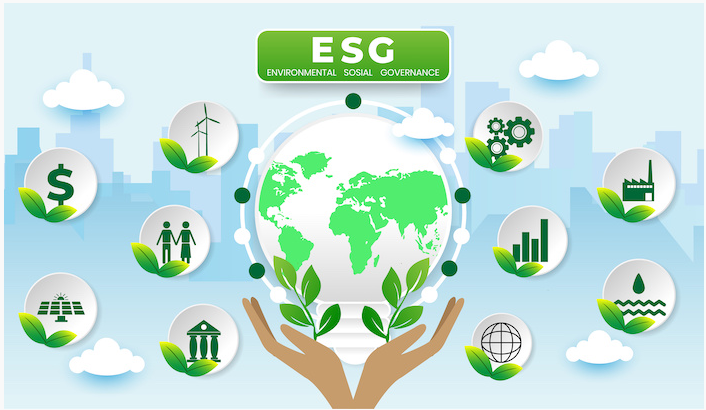
ESG investing is built upon the principle that companies with robust ESG practices are often better managed and more resilient. These companies are, in theory, less susceptible to regulatory fines, reputational damage, and operational disruptions related to environmental or social issues.
Furthermore, forward-thinking companies often attract and retain top talent due to strong social policies and exhibit ethical leadership, which can translate into long-term financial outperformance.
The Pillars of ESG
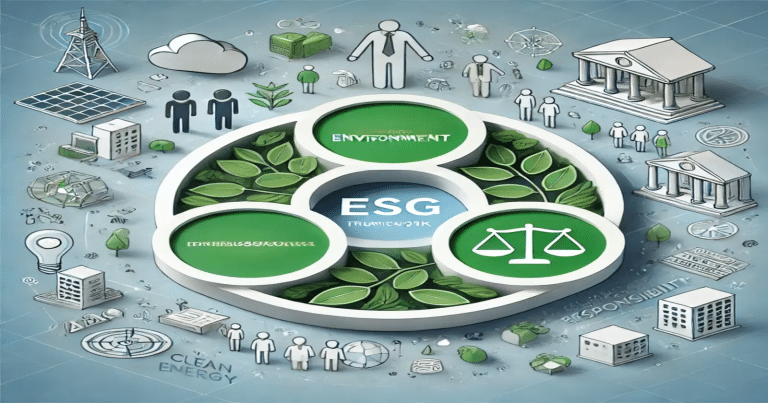
- Environmental: This pillar focuses on a company’s impact on the planet. Key considerations include carbon emissions, resource management (water, energy), waste and pollution, and biodiversity. Funds focusing here might invest in renewable energy, clean technology, or companies with demonstrably low environmental footprints.
- Social: This pillar examines how a company manages relationships with its stakeholders, including employees, suppliers, customers, and the communities in which it operates. Factors such as labor practices, human rights, product safety, diversity and inclusion, and community engagement are assessed.
- Governance: This pillar deals with a company’s leadership, executive pay, audits, internal controls, and shareholder rights. Strong governance ensures accountability, transparency, and fairness. Funds with a governance focus might scrutinize board composition, audit committee independence, and executive compensation structures.
Defining ESG investing Funds
ESG investing funds, also known as sustainable, socially responsible, or impact funds, are mutual funds, exchange-traded funds (ETFs), or other pooled investment vehicles that integrate ESG factors into their investment decisions.
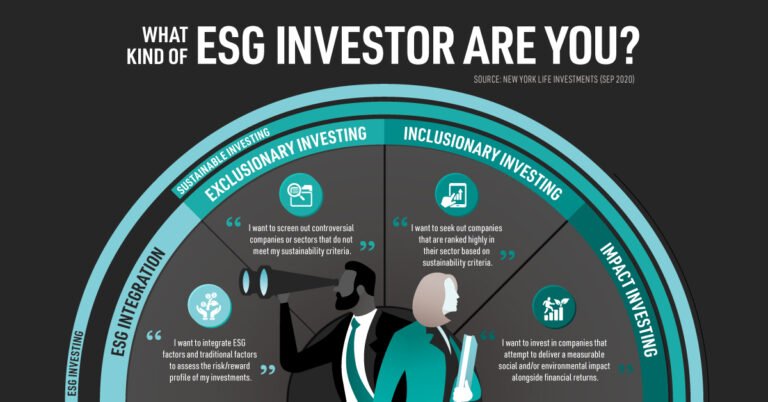
The degree of integration can vary significantly, from funds that simply screen out certain industries (negative screening) to those that actively seek out companies with leading ESG performance and engage with company management to drive positive change (positive screening and active ownership).
The Evolution of ESG Integration
Initially, ESG investing funds were largely driven by ethical considerations, with investors often willing to accept lower financial returns in exchange for aligning with their values. However, as data and analytical tools have improved, the understanding has grown that strong ESG performance can be a strong indicator of financial health and future growth potential.

This has led to the development of sophisticated ESG integration methodologies, where ESG factors are woven into traditional financial analysis rather than being a separate overlay. The market has responded with a proliferation of ESG-focused products catering to a wide range of investor preferences and risk appetites.
Funds Driving Environmental Sustainability
Several funds are at the forefront of channeling capital towards environmental solutions and companies committed to minimizing their ecological impact. These vehicles are crucial in the transition to a low-carbon economy and the preservation of natural resources.
Investing in Renewable Energy and Clean Tech
- iShares Global Clean Energy ETF (ICLN): This ETF provides broad exposure to global companies in the clean energy sector. It tracks an index comprising companies that produce energy from solar, wind, and other renewable sources, as well as those involved in the production of clean energy technologies. Its holdings represent a diversified basket of pioneers in the shift away from fossil fuels. Think of it as a diversified garden of burgeoning green industries.
- Invesco WilderHill Clean Energy ETF (PBW): Similar to ICLN, PBW focuses on companies that are developing cleaner energy and promoting the conservation of natural resources. It often includes a broader range of companies, potentially with a higher weighting towards smaller, more innovative firms. This fund can be seen as an incubator for emerging environmental technologies.
Water Scarcity and Resource Management Funds
- Impact Shares Sustainable Development Goals ETF (SDGA): While covering multiple Sustainable Development Goals (SDGs), SDGA has a significant allocation to companies addressing environmental challenges, including water scarcity and sustainable resource management. It aims to invest in companies making measurable progress on specific UN SDGs, providing a thematic approach to sustainability. This fund acts as a compass, pointing towards companies tackling some of the world’s most pressing environmental issues.
- Ecolution Fund: This fund, managed by a specific asset management firm, often targets companies involved in various aspects of environmental protection, including water management, waste reduction, and pollution control. Its strategy may involve a more concentrated portfolio of companies deemed leaders in their respective environmental niches.
Funds Championing Social Impact
Beyond environmental concerns, numerous funds are dedicated to bolstering social progress by investing in companies that uphold strong labor practices, promote diversity and inclusion, and contribute positively to their communities. These funds recognize that a company’s social license to operate is as vital as its financial performance.
Diversity and Inclusion Focused Funds
- SPDR SSGA Gender Diversity Index ETF (SHE): This ETF tracks an index of U.S. companies with a higher representation of women in senior leadership and on their boards. It provides investors with an opportunity to support gender equality in corporate America. This fund offers a direct channel to invest in the principle of equal opportunity.
- Impact Shares NAACP Minority Empowerment ETF (NACP): This ETF seeks to invest in U.S. companies that exhibit strong diversity and inclusion practices and are committed to advancing minority representation and empowerment. It’s a unique vehicle that partners corporate social responsibility with investment objectives.
Fair Labor and Human Rights Funds
- Parnassus Core Equity Fund (PRBLX): Parnassus funds are renowned for their long-term commitment to ESG principles. The Core Equity Fund, for instance, actively screens out companies in industries like tobacco, alcohol, and weapons, and it prioritizes companies with strong labor relations, fair employee treatment, and respect for human rights. This fund acts as a discerning gatekeeper, ensuring that investments meet a high ethical standard.
- Calvert Equity Portfolio (CVOTX): Calvert Investments has a long history in socially responsible investing. Their Equity Portfolio aims to invest in companies that demonstrate strong ESG performance, including fair labor practices, ethical supply chains, and positive community impact. This fund is a seasoned navigator in the ethical investing seas.
Funds Prioritizing Governance Excellence
Sound governance is the bedrock of corporate integrity and long-term sustainability. Funds focused on governance scrutinize a company’s leadership, accountability structures, and shareholder rights, believing that well-governed companies are more likely to be resilient and perform well over time.
Shareholder Rights and Activism Funds
- Fidelity Global Intrinsic Value Fund (FGRIX): While not exclusively an ESG fund, Fidelity’s Global Intrinsic Value Fund, among others, often incorporates ESG considerations into its deep-dive fundamental analysis. This can include evaluating the independence of boards, executive compensation alignment with shareholder interests, and overall corporate transparency. It’s about understanding the internal engine of a company, not just its outward appearance.
- Engine No. 1 Transform 1 ETF (VOTE): This ETF is notable for its activist approach. It invests in a select group of large-cap U.S. companies and actively engages with their management and boards to push for improved climate-related governance and strategy. The fund’s strategy is to use shareholder power as a lever for change, aiming to influence corporate behavior directly. This is less about passive investment and more about active participation in corporate governance.
Ethical Leadership and Transparency Funds
- Domini Impact Equity Fund (DOMWX): The Domini Impact Equity Fund is a long-standing ESG fund that integrates comprehensive ESG research into its investment process. It emphasizes companies with strong corporate governance, ethical labor practices, and a commitment to environmental sustainability. This fund operates with a clear set of principles, ensuring that its investments align with a robust ethical framework.

Integrating ESG Across Sectors
| Fund Name | Assets Under Management (Billion) | ESG Score | Annual Return (%) | Focus Area | Expense Ratio (%) |
| Green Future Equity Fund | 12.5 | 85 | 9.2 | Renewable Energy | 0.75 |
| Sustainable Growth Fund | 8.3 | 88 | 8.7 | Clean Technology | 0.68 |
| Eco Leaders Fund | 10.1 | 90 | 10.1 | Environmental Innovation | 0.80 |
| Social Impact Fund | 6.7 | 87 | 7.5 | Social Responsibility | 0.70 |
| Clean Energy Fund | 14.2 | 92 | 11.0 | Renewable Energy | 0.65 |
| Ethical Growth Fund | 9.0 | 86 | 8.3 | Corporate Governance | 0.72 |
| Water Sustainability Fund | 5.5 | 89 | 7.9 | Water Conservation | 0.77 |
| Green Bond Fund | 7.8 | 84 | 6.8 | Green Bonds | 0.60 |
| Low Carbon Fund | 11.3 | 91 | 9.5 | Carbon Reduction | 0.69 |
| Impact Innovation Fund | 6.0 | 88 | 8.0 | Social & Environmental Innovation | 0.74 |
The concept of ESG investing funds is not confined to specific sectors; it’s a lens through which companies across the entire economy can be evaluated. Many funds now integrate ESG criteria across all industries, seeking to find sustainable leaders even within traditionally challenging sectors.
Broad ESG Integration Strategies
- Vanguard FTSE Social Index Fund (VFTAX): This fund offers broad diversification by tracking an index of large- and mid-cap U.S. stocks that meet specific ESG exclusionary criteria. It avoids companies involved in controversial weapons, gambling, tobacco, alcohol, and adult entertainment. While primarily exclusionary, its vast scale and low costs make it a foundational ESG option for many portfolios. This fund provides a steady keel for broad ESG exposure.
- Nuveen ESG Large-Cap Growth ETF (NULG): This ETF focuses on large-cap growth companies that are screened for strong ESG characteristics. It seeks to identify companies that are not only growing but also demonstrating a commitment to sustainable business practices. This fund targets growth potential within a responsible framework.
Thematic ESG investing Funds and Their Role
Thematic ESG investing funds cater to specific investment themes within the broader ESG universe. These can range from clean water and sustainable forestry to ethical technology and circular economy principles. They allow investors to target areas where they believe the greatest impact and financial opportunities lie.
- Xtrackers MSCI World SRI UCITS ETF: This ETF tracks an index of companies from developed countries that adhere to strict ESG criteria, focusing on responsible corporate practices and impact. It provides a globally diversified approach to sustainable investing. This ETF offers a global passport to sustainable growth.
The Future of ESG Investing and Portfolio Construction
The proliferation of ESG funds signifies a maturing investment landscape where sustainability is increasingly viewed not as a trade-off but as an integral component of long-term value creation. As investor demand grows and regulatory frameworks evolve, we can expect further innovation in fund structures, impact measurement, and ESG integration methodologies.

Measuring ESG Impact
- Beyond Ratings: While ESG ratings provide a starting point, investors are increasingly looking for deeper insights into a fund’s actual impact. This includes quantitative metrics on carbon reduction, diversity improvements, or social program outcomes. The challenge remains in standardizing these measurements for true comparability.
- Active Ownership: Many ESG investing funds are not just passive investors. They actively engage with the companies they own, using their shareholder rights to encourage better ESG practices. This engagement can take the form of dialogue with management, voting on shareholder proposals, and even proxy contests.
Building a Resilient Sustainable Portfolio
- Diversification: Just as with traditional investing, diversification is key. A well-constructed sustainable portfolio will likely include a mix of ESG funds with different strategies, geographical exposures, and thematic focuses. This helps to mitigate risk and capture opportunities across the full spectrum of sustainable investing.
- Alignment with Personal Values: Ultimately, the best ESG investing funds for shaping a sustainable portfolio are those that align with an individual investor’s specific values and financial goals. Understanding the nuances of each fund’s approach, from exclusionary screens to impact investing, is essential for making informed decisions. The journey of building a sustainable portfolio is one of both financial prudence and ethical consideration. It’s about planting seeds for a future that is both prosperous and responsible.
FAQs
What does ESG stand for in ESG investing funds?
ESG stands for Environmental, Social, and Governance. These criteria are used to evaluate a company’s operations and impact on sustainability and ethical practices.
How do ESG investing funds contribute to sustainable portfolios?
ESG investing funds allocate capital to companies that meet specific environmental, social, and governance standards, promoting responsible business practices and supporting long-term sustainability goals.
What types of companies are typically included in ESG investing funds?
Companies included in ESG funds usually demonstrate strong performance in areas such as reducing carbon emissions, maintaining fair labor practices, ensuring diversity and inclusion, and practicing transparent governance.
Are ESG investing funds financially competitive compared to traditional funds?
Many ESG investing funds have shown competitive financial returns, with some studies indicating that sustainable investing can reduce risk and enhance long-term performance, though results can vary by fund and market conditions.
How can investors evaluate the effectiveness of an ESG investing fund?
Investors can assess ESG investing funds by reviewing their ESG ratings, impact reports, portfolio holdings, and alignment with recognized sustainability standards or frameworks to ensure the fund meets their ethical and financial objectives.
For more such updates do visit us @Clean Index