Could Trump’s Politics Be the Best Thing That Happened to Business Sustainability in 2025?

Hey there, sustainability enthusiasts! I know the title might raise a few eyebrows, especially in a year like 2025 where political shifts have stirred up plenty of debate around ESG (Environmental, Social, and Governance) practices. But stick with me—I’m here to flip the script and show how these changes could actually supercharge real, impactful progress in business sustainability.

Back in early 2025, I made the leap from the corporate ESG scene. It wasn’t because my passion for positive change faded; far from it. I was drawn to a space where innovation drives massive, transformative impact at scale. Looking back, this year feels like a refreshing reset, realigning incentives toward genuine action rather than just checking boxes.

Let’s be honest: ESG has been an incredible catalyst for raising awareness and encouraging companies to think beyond profits. It introduced frameworks, ratings, and disclosures that spotlighted key issues and pushed many organizations to start the conversation on sustainability. Even industries like tobacco, oil, and sugar got involved, using ESG to highlight their efforts and build better PR. But as we’ve seen, the real magic happens when we evolve beyond surface-level scoring to deep, operational changes.

That’s where 2025’s dynamics come in as a positive force. With investors growing more discerning and the “green” narrative facing tougher scrutiny, ESG in its traditional form is adapting. It’s no longer just about easy wins or glossy reports—it’s becoming a smarter, more integrated part of business strategy. And honestly, if ESG truly enhances profitability and resilience (which it can!), this evolution will only strengthen its value.

Here’s the exciting truth: The laws of physics haven’t budged in 2025. Climate risks—like wildfires, floods, heatwaves, water shortages, and resource fluctuations—are still very real threats to supply chains, assets, insurance costs, and pricing. Without the crutch of superficial metrics, businesses are now empowered to tackle the core question: How do we thrive in 2030 and beyond?

This shift is sparking innovation everywhere. Conversations are moving from “How do we score high?” to “How do we operate smarter?” We’re seeing companies focus on avoiding stranded assets, building shock-resistant infrastructure, securing affordable and reliable energy grids, investing in cutting-edge tech for critical resources, and strengthening supply chains through localization and diversification. It’s messy, yes, but it’s the kind of hands-on work that builds lasting competitiveness and resilience.

If you’ve been viewing 2025’s ESG headlines—the policy pivots, workforce adjustments, and media buzz—as setbacks, let’s reframe that. These are the growth spurts sustainability needed to mature. By moving past pretense, we’re unlocking the true potential of ESG to drive business success. And right on cue, innovative solutions are emerging to support this authentic era.

Take CleanIndex, for example—a groundbreaking new startup that’s harnessing AI to revolutionize ESG certification. Unlike traditional systems that might reward polished reports over real results, CleanIndex focuses on verifying and rewarding organizations that truly “walk the talk.” Their AI-powered platform analyzes data from operations, supply chains, and impact metrics to provide transparent, tamper-proof certifications. Companies that demonstrate genuine progress—whether in reducing emissions, fostering ethical labor practices, or promoting diversity—earn badges, incentives, and even investor perks. It’s like a merit-based system for sustainability, ensuring that only those making measurable, positive changes get the recognition they deserve.

In a year shaped by political winds that challenged the status quo, CleanIndex represents the positive pivot: turning skepticism into opportunity. By automating audits and highlighting real-world actions, it helps businesses not just comply, but excel in a way that’s profitable and planet-friendly. Tools like this are proof that 2025 isn’t a retreat from sustainability—it’s a renaissance, where innovation meets integrity.

So, cheer up, folks! The future of business sustainability is brighter than ever, powered by real change and trailblazers like CleanIndex. What do you think—ready to embrace this new chapter? Drop your thoughts in the comments!

The Consulting Revolution: How Small Teams Like CleanIndex Are Outsmarting McKinsey

In the high-stakes world of corporate strategy, change is brewing—and it’s not coming from the usual suspects. At CleanIndex, our nimble 12-person team is at the forefront of a seismic shift that’s challenging giants like McKinsey, BCG, and Bain. We’re not just another consulting firm; we’re redefining what it means to deliver real, transformative value in a fraction of the time and cost. Let me explain why the old guard is losing ground, and how we’re leading the charge.

The Cracks in the Traditional Consulting Empire

Last quarter, McKinsey reportedly lost three Fortune 500 clients—not to rivals like BCG or Bain, but to boutique firms like ours that most executives have never heard of. These aren’t massive operations with endless resources; they’re lean teams of just a dozen experts, armed with cutting-edge AI tools and a laser focus on what truly drives business success.

For decades, the Big Four consulting model dominated through sheer scale:

  • Armies of junior analysts crunching numbers around the clock.
  • Massive 800-page slide decks that took months to build.
  • Six-month (or longer) engagements that dragged on endlessly.
  • Price tags exceeding $2 million, often with questionable ROI.

But AI has shattered these foundations. Tools like advanced data analytics platforms and generative AI are democratizing the grunt work, making it possible for small teams to outperform the behemoths.

How AI is Leveling the Playing Field

At CleanIndex, we’ve embraced this AI revolution to deliver faster, smarter, and more affordable insights. A three-person squad equipped with the right AI stack can now:

  • Analyze a decade’s worth of financial and operational data in just 48 hours—instead of the six weeks it used to take.
  • Generate customized strategy frameworks in real-time during client meetings.
  • Provide high-impact recommendations for around $200,000, a fraction of the multimillion-dollar fees charged by traditional firms.

This isn’t hype; it’s happening right now. Our clients—ranging from mid-sized enterprises to Fortune 500 divisions—are seeing tangible results without the bloat.

The Secret Sauce: What AI Cant Touch

Here’s where it gets counterintuitive: The real winners in this new era aren’t the flashiest “AI-native” startups. They’re firms like CleanIndex that understand AI’s limits and double down on irreplaceable human strengths. While AI excels at data processing and pattern recognition, it falls short on the messy, human elements of transformation:

  • Navigating executive politics: Knowing who holds the real power in a boardroom and how to align interests.
  • Building coalitions for change: Rallying teams across silos to implement bold strategies.
  • Challenging a CEOs sacred cows: Having the courage and finesse to question long-held assumptions without alienating leaders.
  • Managing the emotional side of transformation: Guiding organizations through the fear, resistance, and excitement that come with big shifts.

We’ve spoken with over a dozen boutique consulting founders pulling in $5M to $50M annually, and the pattern is clear: Success hinges on judgment and influence, not just raw analysis. As one founder put it, “McKinsey might bring better slides, but we deliver better outcomes—because we know which executive to convince first.”

The New Consulting Stack: AI + Human Expertise

This is the blueprint we’re building at CleanIndex:

  • AI handles the heavy lifting: 90% of what junior consultants used to do—data aggregation, modeling, and initial insights—is now automated.
  • Humans drive the impact: Our seasoned experts focus on the high-touch elements, like influence and change management, that senior partners traditionally owned.

If you’re a consultant at a Big Four firm, it’s time for some soul-searching: Are you being paid for your analytical chops, or your ability to influence real change? AI has commoditized the former, but the latter is where the future lies—and where CleanIndex thrives.

Why Choose CleanIndex?

As a challenger to the status quo, we’re not burdened by legacy systems or bloated overhead. Our small-team approach means personalized service, rapid iterations, and outcomes that stick. We’ve helped clients streamline operations, enter new markets, and pivot during disruptions—all while leveraging AI to keep things efficient and cost-effective.

If you’re ready to ditch the endless decks and embrace consulting that actually moves the needle, let’s talk. Drop us a line or visit our site to learn more.

The ESG Advantage: Why Ignoring Sustainability Can Hurt Business Growth

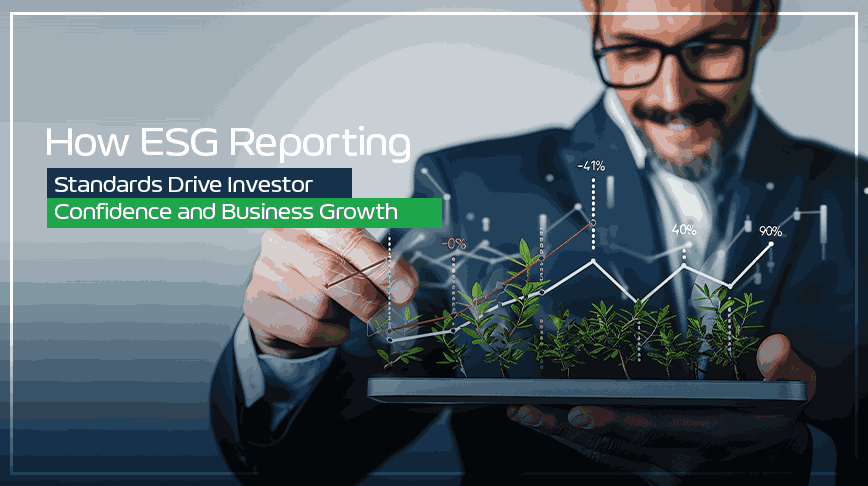
Environmental, Social, and Governance (ESG) standards are no longer a niche corporate strategy. What was once considered voluntary sustainability reporting has now become a measurable driver of long-term financial performance, brand credibility, and competitive positioning.

Businesses that treat ESG Advantages as an optional marketing exercise are falling behind. In fact, companies that neglect ESG risk losing investors, customers, supply-chain access, and even employee loyalty. As markets transform, ESG for business growth is no longer a trend — it is a business imperative.

ESG Advantages

However, what exactly makes ESG a catalyst for growth? Why are global markets prioritizing sustainability as a business requirement? Let’s explore.


What is ESG Advantages and Why Does It Matter for Business Growth?

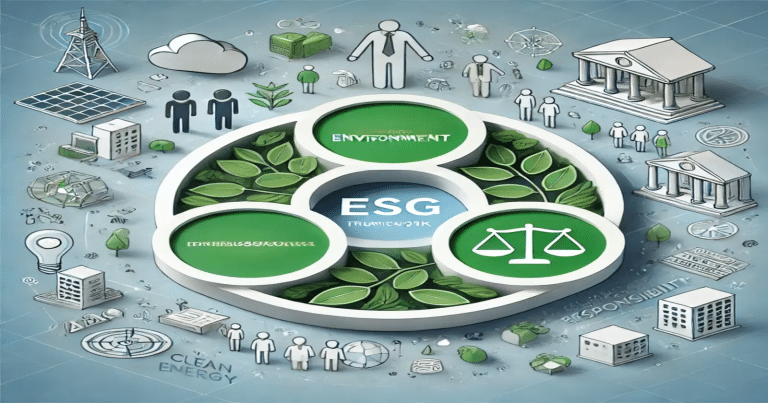
ESG refers to a framework for evaluating how responsibly a company behaves toward the environment, its people, and its governance practices. Instead of focusing solely on profit, ESG drives businesses to consider sustainable operations, ethics, and long-term value creation.

How ESG Drives Growth

ESG PillarGrowth Impact
EnvironmentalReduces operational costs, enables innovation in green products
SocialBuilds customer trust, attracts talent, strengthens reputation
GovernanceBoosts investor confidence, ensures compliance, reduces ethical risk

Strong ESG policies and ESG Advantages position companies for long-term stability. Studies show that companies with strong sustainability strategies outperform competitors in brand value, valuation, supply chain access, and investment sentiment.


How ESG Advantages Drives Business Profitability

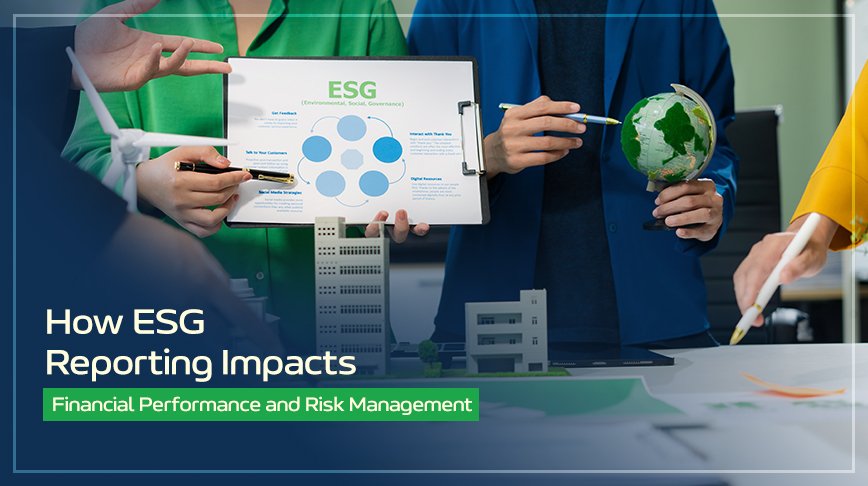
One of the biggest misconceptions is that sustainability increases cost. Research from McKinsey reveals that companies with effective ESG systems benefit from higher revenue, reduced operational expenses, stronger talent retention, and better investor interest.

Five Ways ESG Increases Profit

1. Innovation and Market Expansion

Sustainability encourages businesses to rethink products, sourcing, and packaging. New sustainable products create premium value and unlock markets willing to pay more for responsible brands.

2. Operational Cost Reduction

Energy efficiency, waste reduction, eco-design, and optimized logistics significantly reduce long-term costs. Businesses that redesign their operations through ESG advantages benchmarks become financially leaner and more efficient.

3. Risk Protection

Businesses that ignore ESG expose themselves to regulatory penalties, lawsuits, labor disputes, corruption risks, carbon taxes, and reputational backlash. Strong ESG governance shields companies from these dangers.

4. Higher Access to Investment

Global investors increasingly screen organizations based on ESG advantages. Companies with poor ESG scores are already losing access to capital markets, sustainability-linked funds, and global supply chains.

5. Attracting and Retaining Talent

The workforce of tomorrow — especially millennials and Gen Z — consciously chooses employers based on ethics, diversity, sustainability, and corporate culture. ESG-aligned organizations spend less on recruitment while keeping better talent.


The Risk of Ignoring ESG

Companies that ignore sustainability are taking proactive risks. The global market is shifting, and the cost of non-compliance is rising.

Consequences of ignoring it include:

  • Loss of global supply-chain access due to sustainability requirements
  • Restrictions on financing and loss of ESG-linked funds
  • Increased exposure to regulatory penalties
  • Long-term reputational damage
  • Customer distrust and market backlash
  • Difficulty hiring and retaining employees

Ignoring sustainability is no longer a neutral decision. It is a competitive disadvantage.


ESG Must Be Strategy, Not Reporting

Some companies mistakenly believe ESG advantages is simply a compliance checklist or a reporting requirement. In reality, effective ESG implementation happens when sustainability is integrated into business strategy, not filed away in a sustainability document.

Strategic ESG Implementation Framework

  • Identify sustainability-linked KPIs aligned with business goals
  • Select standards such as GRI, CSRD, SASB, TCFD, and SBTi
  • Develop audit-ready reporting processes for product, supply chain, and emissions data
  • Use third-party verification to build trust and avoid greenwashing
  • Communicate progress transparently to stakeholders

Companies grow faster when sustainability becomes a competitive advantage, not a compliance burden.


Global Trends Accelerating ESG for Business Growth

Governments and regulators worldwide are pushing ESG compliance. This shift proves that ESG advantages is becoming a business requirement, not a marketing decision.

Examples include:

  • The European Union’s CSRD sustainability reporting requirements
  • The United Kingdom placing ESG rating providers under FCA supervision
  • India’s BRSR reporting mandate for top companies
  • The U.S. SEC moves toward mandatory climate-risk disclosure
  • Carbon pricing and emission trading schemes in Europe, Canada, and other regions

The global direction is clear: businesses will grow only if they evolve sustainably.


ESG Transparency Builds Trust

Customers, investors, regulators, and employees no longer accept claims without proof. Verified, traceable ESG reporting is now the currency of trust.

Benefits of third-party ESG verification:

  • Higher investor confidence
  • Reliable ESG ratings
  • Reduced regulatory and reputational risk
  • Stronger access to international markets
  • Better credibility in marketing

Businesses that provide verified ESG disclosures outperform those relying on unverified promises.


Case Studies: ESG Success in Action

Microsoft

Microsoft has pledged to become carbon-negative by 2030. Its investments in carbon capture and responsible sourcing have unlocked significant investor interest and accelerated its leadership position in sustainable technology.

Unilever

Unilever integrates sustainability into its product lifecycle, sourcing, packaging, and labor policies. Its sustainable brands drive most of its revenue growth, proving that ESG practices are directly tied to commercial success.

These companies demonstrate that ESG advantages for business growth works not as an ideology, but as a revenue-generating business model.


Practical ESG Action Plan for Businesses

Organizations ready to start their ESG journey can follow this structured approach:

  1. Conduct a baseline assessment of environmental, social, and governance impact
  2. Select relevant reporting standards and frameworks
  3. Establish measurable targets such as carbon reduction, diversity targets, or ethical sourcing metrics
  4. Deploy sustainability governance technology and data systems
  5. Engage employees, suppliers, and stakeholders
  6. Publish honest and data-backed sustainability disclosures
  7. Evaluate results annually and refine ESG strategy

A business that measures, verifies, improves, and communicates sustainability performance will accelerate profitability and long-term growth.


Conclusion: ESG as a Competitive Growth Driver

Companies do not grow by reacting to trends but by anticipating them. ESG advantages is no longer optional. It is a signal of business stability, responsibility, and long-term value creation. Organizations that embrace ESG strategies will gain higher profits, better brand trust, global market opportunities, and investment access.

Sustainability is not a cost. It is an investment in competitive advantage.

for more such updates do visit us @Clean Index

FCA Crackdown: Why ESG Ratings Face Tough Supervision in the UK

How new rules could reshape the global sustainability market

The United Kingdom has taken a decisive step toward regulating one of the world’s fastest-growing but least governed sectors: environmental, social, and governance (ESG) ratings. In a landmark announcement, the UK government confirmed that the Financial Conduct Authority (FCA) will supervise ESG rating providers. This historic move is designed to ensure greater transparency, reduce misleading claims, and protect investors from unreliable sustainability scores.

The move comes at a crucial time when ESG has become a critical factor for investment decisions, corporate governance, risk analysis, and stakeholder trust. Yet, despite its importance, the industry has long functioned without unified rules — allowing inconsistencies, conflicts of interest, and even greenwashing practices.

With FCA ESG Supervision coming into force, companies, investors, and rating providers may face both opportunities and disruption.


Why the UK is Targeting ESG Rating Providers

ESG rating agencies have played a major role in shaping market perceptions of corporate sustainability. But critics argue that ESG scores often vary between providers, lack transparency, or fail to consider regional differences. Some companies with significant environmental impact have been rated highly, only to raise questions about accuracy and accountability.

This concern led to a government mandate for FCA ESG Supervision, aiming to:

  • Increase transparency of ESG methodologies
  • Limit conflicts of interest
  • Provide standardized evaluation frameworks
  • Protect investors and stakeholders from misleading claims

The FCA’s new oversight is expected to bring structure to a market worth more than $1.2 trillion in ESG-aligned funds globally.


The Problem with Unregulated ESG Ratings

Before FCA involvement, ESG rating providers operated without uniform standards. Some ratings were based largely on self-reported data from companies — a major risk. Others charged companies for consulting services while rating them simultaneously, leading to potential conflict of interest.

Key industry challenges included:

Multiple agencies provide contradictory ratings
Lack of standardized scoring metrics
Risk of “greenwashing” through inflated scores
Limited auditing of data used to produce ESG scores
No government accountability or investor protection

By implementing FCA ESG Supervision, the UK intends to end this era of self-regulated scoring.


What Will Change Under FCA ESG Supervision?

The FCA’s new rules are expected to apply across:

  • Global ESG agencies operating in the UK
  • Local sustainability data platforms
  • Ratings linked to financial products and corporate reporting
  • Third-party assurance providers

Expected impacts include:

Clearer disclosure of scoring methods
Restrictions on advisory services to rated companies
Audit expectations for ESG claims
Standard reporting for corporate ratings
Better alignment with global sustainable finance standards

The FCA already set out principles encouraging transparency in November 2022, pushing the industry toward regulated consistency.


Why This Matters Globally

The UK is among the first major markets to regulate ESG ratings, following moves in the EU and Japan. As London remains a global finance hub, FCA regulations may push international providers to adapt globally.

Countries watching closely include:

🇪🇺 European Union — working to regulate green claims
🇺🇸 United States — SEC exploring ESG fund mislabeling
🇯🇵 Japan — already issued its own ESG rating code of conduct
🇮🇳 India — SEBI working on ESG assurance rules

With FCA oversight, many analysts believe ESG data will become more reliable, boosting investor confidence worldwide.


How Will Businesses be Affected?

Winners

✔ Strong performers in sustainability
✔ Companies investing in ESG improvements
✔ Transparent, audited reporters of ESG metrics

Those Facing Challenges

⚠ Businesses with weak environmental practices
⚠ Companies relying on vague sustainability claims
⚠ Firms ranked through paid consulting support

Ultimately, corporations will need verified data, not just marketing. ESG compliance may become as important as financial auditing in the near future.


Impact on Investors and Financial Markets

Investors have increasingly relied on ESG ratings to make decisions about risk exposure, climate transition strategies, and sustainable finance. However, inconsistent ratings caused confusion and raised doubts about rating reliability.

With FCA ESG Supervision, investors can expect:

  • Stronger data credibility
  • More accurate evaluation of climate risks
  • Lower risk of misleading ESG funds
  • Greater trust in sustainability reporting

This shift could accelerate ESG investments rather than hinder them — as confidence strengthens and greenwashing declines.


ESG Providers: Adapt or Exit

Rating providers operating in the UK will be forced to transform operations through:

  • Transparent scoring frameworks
  • Independent governance models
  • Methodology disclosures
  • Separation of ratings from consulting services

Those failing to meet FCA criteria may lose access to the UK market. This regulation could, therefore, reshape the entire ESG ecosystem.


Conclusion: A Necessary Disruption

The UK’s decision to introduce FCA ESG Supervision may disrupt the ESG industry — but disruption was necessary. With markets relying increasingly on sustainability performance, objective, verifiable, and transparent ratings are essential.

This regulatory move isn’t about limiting ESG growth — it’s about protecting it.

For more such updates do visit us @Clean Index

Scroll to Top