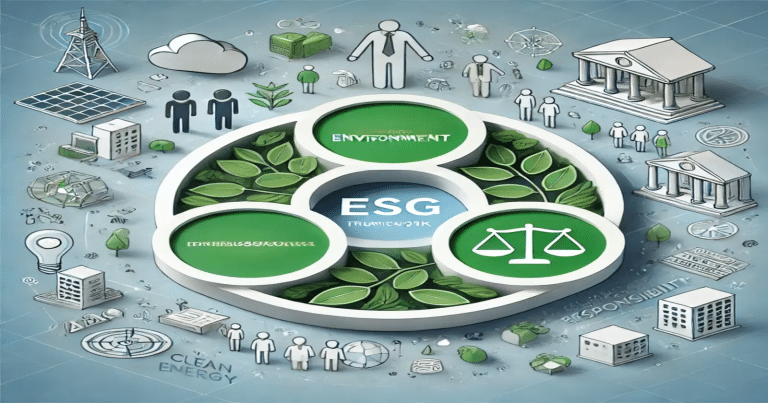
The world is changing how it views business success. Environmental, Social, and Governance (ESG) factors are now central to how companies operate. Understanding why ESG is important helps businesses stay competitive and build lasting value.

This shift isn’t temporary. It’s driven by real economic needs, social demands, and new regulations. Let’s explore why the importance of ESG continues to grow worldwide.
1. Investors Are Demanding ESG Integration
Investment strategies have evolved beyond short-term profits. Today’s investors want to know how companies manage environmental risks, treat their workers, and govern themselves.
Why Institutional Investors Care About ESG
Large pension funds and asset managers now prioritize ESG. They manage trillions of dollars and recognize that strong ESG performance often means better long-term returns.
These investors see ESG as risk management. Environmental problems can become financial liabilities. Social issues can disrupt operations. Poor governance can lead to fraud. The importance of ESG in investment decisions is clear: it helps identify risks that traditional analysis might miss.
The Growth of Sustainable Investment Products
ESG-focused funds, green bonds, and impact investments are booming. This growth reflects investor demand for products that match their values while delivering returns.
Global sustainable investment assets now exceed $35 trillion. This massive shift shows why ESG is important to the financial sector.
ESG and Financial Performance
Research increasingly shows a positive link between ESG performance and financial results. Companies managing their environmental impact well, maintaining good employee relations, and practicing strong governance often see:
- Lower operating costs
- More innovation
- Fewer legal problems
- Better brand reputation
- Higher profits
The importance of ESG becomes evident when these factors translate into shareholder value.
2. Governments Are Creating ESG Regulations
Regulators worldwide are taking ESG seriously. New laws require companies to report on climate risks, human rights, and governance practices.
New Reporting Requirements
The European Union’s Sustainable Finance Disclosure Regulation (SFDR) and Corporate Sustainability Reporting Directive (CSRD) set new transparency standards. Over 70 countries now have ESG regulations.
These rules make the importance of ESG compliance unavoidable for businesses operating globally.
Government Incentives for Sustainability
Beyond regulations, governments offer:
- Tax breaks for renewable energy
- Subsidies for sustainable technology
- Green bonds for environmental projects
These incentives signal that ESG is a policy priority, attracting capital and encouraging innovation.
International Climate Agreements
The Paris Agreement pushes nations to meet climate targets. This creates pressure on businesses to integrate sustainability into their strategies, elevating the importance of ESG on a global scale.
3. Consumers Prefer Responsible Brands
Consumer behavior is shifting. People now consider a company’s values before making purchases.
The Conscious Consumer Movement
Research shows 70% of consumers will pay more for sustainable products. Companies with strong ESG credentials gain customer loyalty and market share.

The marketplace has become a platform for ethical choices. This demonstrates why ESG is important for customer retention and growth.
Purpose-Driven Employment
Millennials and Gen Z want meaningful work. They seek employers committed to positive impact. Companies recognizing the importance of ESG attract and retain top talent more easily.
This creates competitive advantages through increased innovation, higher productivity, and lower turnover.
Activist Pressure on Corporations
NGOs and advocacy groups hold companies accountable through campaigns and shareholder activism. This external pressure accelerates ESG adoption and shows the importance of ESG accountability.
4. ESG Reduces Business Risks
Modern businesses face complex risks. ESG provides a framework to identify and manage these threats.
Climate Risk Management
Climate change creates real business risks:
- Extreme weather disrupting supply chains
- Rising sea levels threatening coastal facilities
- Resource scarcity affecting operations
Companies addressing these risks proactively maintain business continuity. This demonstrates the importance of ESG in operational resilience.
Supply Chain Transparency
Global supply chains face vulnerabilities from social unrest, labor issues, and environmental damage. The importance of ESG in supply chain management is clear: transparency and ethical sourcing reduce reputational and operational risks.
Protecting Brand Reputation
Corporate reputation can be damaged quickly. Environmental disasters, labor disputes, or ethical failures impact customer trust and investor confidence.
Understanding the importance of ESG helps companies build resilient brands that withstand crises.
5. ESG Drives Innovation and Growth
Forward-thinking companies see ESG as an opportunity, not a burden.
New Market Opportunities
The green economy is creating markets worth trillions. Companies developing sustainable products and technologies lead in:
- Renewable energy
- Energy efficiency
- Sustainable agriculture
- Circular economy solutions
The importance of ESG in identifying growth opportunities is becoming clear to innovative businesses.
Cost Savings Through Efficiency
ESG practices improve resource efficiency. Reducing energy use, water consumption, and waste generates direct cost savings and higher profits.

This shows why ESG is important for operational excellence and competitiveness.
Better Stakeholder Relationships
Strong ESG commitment improves engagement with employees, customers, communities, and suppliers. These relationships foster innovation and adaptability.
6. ESG Attracts Long-Term Investment
Companies with strong ESG profiles secure stable, long-term capital.
Investor Preferences Are Shifting
Institutional investors prioritize sustainability when allocating capital. ESG-focused funds have outperformed benchmarks by 5-7% in recent years.
This capital stability enables sustained growth and innovation, highlighting the importance of ESG in financial strategy.
Reduced ESG Controversies
Companies with strong ESG practices experience 25% fewer controversies. This stability attracts investors seeking lower-risk opportunities.
7. ESG Creates Long-Term Value
The importance of ESG ultimately connects to sustainable value creation.
Future-Proofing Business Models
Climate change, resource scarcity, and social inequality are intensifying. Companies addressing these challenges through ESG ensure long-term viability.
Recognizing the importance of ESG in strategic planning helps businesses adapt to evolving realities.
Contributing to Global Goals
Businesses play a crucial role in addressing global challenges. By embracing ESG, companies enhance their prospects while contributing to a sustainable, equitable future.
Key ESG Impact Areas
| Impact Area | Key Metric | Business Benefit |
| Regulatory Compliance | 70+ countries with ESG regulations | Reduced legal risk |
| Investment Attraction | $35 trillion in sustainable assets | Better access to capital |
| Climate Action | 80% of large companies report emissions | Operational resilience |
| Consumer Loyalty | 70% willing to pay premium | Revenue growth |
| Risk Reduction | 25% fewer controversies | Brand protection |
| Talent Retention | 65% consider ESG in job choice | Lower turnover costs |
| Financial Returns | 5-7% outperformance | Increased shareholder value |
Frequently Asked Questions
Why is ESG important for businesses today?
ESG is important because it helps businesses manage risks, attract investment, meet regulatory requirements, and build customer loyalty. Companies with strong ESG practices often perform better financially and are more resilient to disruptions.
What is ESG and why is it important to investors?
ESG stands for Environmental, Social, and Governance. It’s important to investors because these factors indicate long-term business sustainability and risk management. Companies with strong ESG performance typically offer better risk-adjusted returns.
How does ESG importance affect company performance?
The importance of ESG in company performance is significant. ESG practices lead to cost savings, innovation, better talent retention, and reduced regulatory and reputational risks—all contributing to stronger financial results.
Why is ESG important for future business success?
ESG is important for future success because it addresses emerging risks like climate change and social inequality while positioning companies for growth in sustainable markets. It future-proofs business models against evolving global challenges.
What makes ESG important to consumers and employees?
ESG importance resonates with consumers and employees who prefer supporting and working for responsible companies. This creates loyalty, drives purchasing decisions, and helps attract top talent in competitive markets.
For more such informative content do visit us @Clean Index